“Everyone lies to me.”
—University of Arizona police officer
The willingness of false accusers to lie to authorities and the courts—and of some authorities and officers of the court to lie—is a tough pill to swallow, especially for those who learn about it the hard way, as have many of those who visit or have responded to this blog.
 Scholars, members of the clergy, and practitioners of disciplines like medicine, science, and the law, among others from whom we expect scrupulous truthfulness and a contempt for deception, are furthermore no more above lying (or actively or passively abetting fraud) than anyone else.
The false accusers from whom I’ve seen and been informed the most devious and unmitigated frauds originate, in fact, are the self-entitled, those who imagine they’re distinguished from the crowd and therefore exempt from its rules. They lie smoothly, righteously, and with an air of affronted dignity. That such people typically enjoy the security and reassuring presence of an attorney by their sides no doubt factors largely into their confidence.
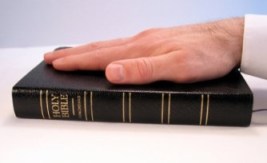 M.D., Ph.D., Th.D., LL.D.—no one is above lying, and the fact is the better a liar’s credentials are, the more ably s/he expects to and can pull the wool over the eyes of judges, because in the political arena judges occupy, titles carry weight: might makes right.
Like most of us are prone to, judges presume a superior standard of integrity from people with advanced degrees or other tokens of accomplishment who practice in areas of influence. The court takes the ethics of such people on faith. It’s a prejudice as old as human hierarchies. Those who have power or its semblance aren’t to be held accountable for abuses of power.
The court shouldn’t presume integrity from these people; it should demand it and hold such people accountable to the high standards to which it presently and wrongly presumes such people hold themselves.
Copyright © 2014 RestrainingOrderAbuse.com
 TALKING BACK to restraining orders
The whole court system is crooked, there is no such thing as Justice based on truth anymore
LikeLike
Reading among old law review articles, I found an attorney writing over a hundred years ago who concluded the same thing. He said that perjury (lying under oath) was rampant in 1908 and added that this “is nothing new.” He also said that it was treated as a joke by the public and mostly ignored by the justice system.
LikeLike