I corresponded this year with a woman who was accused of domestic violence by a man against whom the most aggressive act she had made was giving him a friendly hug at a class reunion. This woman was a former city official who walked dogs to raise money for animal shelters and had once volunteered to donate a kidney to a boy in need she had no relation to. She’d dedicated much of her adult life to the service and welfare of others. She was a vegetarian who kept a garden and was rearing a young daughter by herself. They donated $100 to a fundraiser for a surgery needed by my dog to run again (she’s now mending).
How was the accusation against this woman registered with the courts and stamped on her public record? By marking a box on a restraining order application: tic.
 You know, a box like you’ll find on any number of bureaucratic forms. Only this box didn’t identify her as white or single or female; it identified her as a batterer. A judge—who’d never met her—reviewed this form and signed off on it (tac), and she was served with it by a constable (toe) and informed she’d be jailed if she so much as came within waving distance of the plaintiff or sent him an email. The resulting distress cost her and her daughter a season of their lives—and to gain relief from it, several thousands of dollars in legal fees.
After requesting that it be postponed, her accuser eventually confessed at her appeals hearing (under cross-examination by her two attorneys) that his allegations were a fraud urged by his wife, who was jealous of his renewed relationship with a former flame. The innocent victim in this story was one of several they had brought restraining orders against. The false allegations cost them nothing: tic, tic, tic.
The lines below from the restraining order application used in my home jurisdiction illustrate how easily serious allegations may be brought against a person the judge approving that application has never met and knows absolutely nothing about. Allegations that may be utterly fraudulent and that take mere seconds to make may cause an innocent defendant years of torment—or even dismantle his or her life.
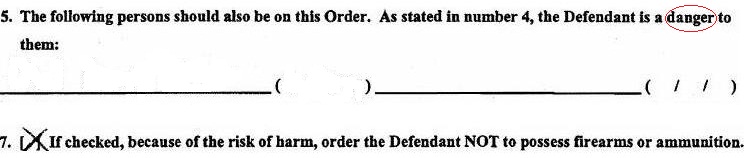
In a country that prides itself on its system of law, maybe leveling allegations of violence and threat shouldn’t be a kindergarten game of tic-tac-toe. If you agree, get ticked off and say so.
Tic.
Copyright © 2012 RestrainingOrderAbuse.com
 TALKING BACK to restraining orders
Reblogged this on Falsely Accused.
LikeLike