Restraining orders are public records, and recent posts have concerned or commented on their publicity and the unavailability of having their traces expunged even if orders are dismissed by their petitioners or otherwise vacated. This post highlights the pioneering efforts of one Missouri civil rights lawyer to upset the imbalance by threatening to file a federal lawsuit.
“Unless expunged, criminal case records remain online, even if prosecutors drop the charges. Civil lawsuits [which include restraining orders] stay on Case.net even if a judge dismisses the claims, [Kansas City media attorney Jean Maneke] noted.
“‘Openness is generally a better way to clean up concerns about inaccuracy than attempting to put everything back in a box,’ Maneke said.”
—“Pending Protection Orders Yanked from Public View”
Everyone is entitled to his or her opinion. “Bullshit” is this writer’s opinion of the one quoted above. If you’ve been wrongly implicated in an abuse of process (or several), you probably disagree with views like Ms. Maneke’s, too, and believe that lies should never have been taken out of the box in the first place let alone engraved in databases and preserved indefinitely for public scrutiny.
Here are among what views like Ms. Maneke’s ignore:
- Restraining orders aren’t criminal cases, so they can never be expunged. Even if a judge dismisses (“tosses”) the allegations, only Tennessee has legislation that affords a wronged defendant the opportunity to have the case against him or her erased from the public record. Many orders, moreover, are finalized despite being grounded on fraud.
- Restraining orders aren’t criminal cases, but they’re not strictly civil cases, either. Acts imputed to defendants are often, if not typically, criminal (e.g., harassment, sexual harassment, stalking, terroristic threats, assault, battery, child abuse, sexual violence, or domestic violence).
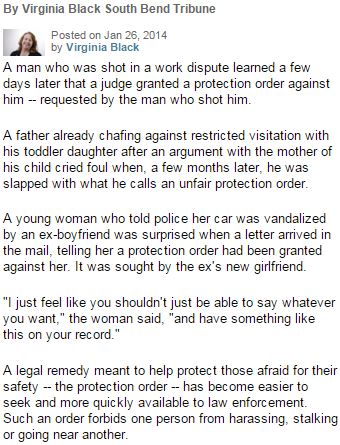
- Unlike in other kinds of civil cases, a restraining order judgment may be wordless and formed in mere minutes, and the defendant may never be heard from at all. (An order can be obtained in a county or state other than the one a defendant resides in, so s/he may have no practicable opportunity to defend.) Also, an order may be awarded even though some of what may be many allegations are never considered by the court or are determined to be baseless. An approved order is an approved order. There aren’t necessarily any qualifications from the court on the recorded instrument to indicate which claims it regarded to be real and urgent, which suspect, or which baseless. To a third-party reader of the order, then, the accusations that appear on it are taken at face value.
- The mere title of an order may be prejudicial all by itself, regardless of the facts litigated in court.
The story the epigraph was excerpted from begins like this:
The client couldn’t stand it.
He typed his name into Case.net and up popped an ugly classification: “Protection Order: Adult Abuse Stalking.”
Who needs any more than those five words to form a conclusion about the person they were applied to? The case was dropped by the woman who made the accusation, but those five words nevertheless remained on the Internet.
The man was naturally concerned about the affect those words could have on his business and asked his lawyer to intervene.
[Bevis] Schock, a St. Louis attorney, [drafted] a federal equal protection lawsuit against the Office of State Courts Administrator. He never filed it, because four months later a Missouri Supreme Court committee decided privacy concerns trumped the public nature of this type of electronic court records.
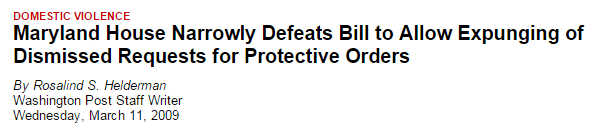
Now pending orders of protection don’t appear on Case.net until judges grant full orders of protection.
The policy shift isn’t unopposed, but today “if the judge denies a petition or the filing party drops her request, it won’t ever appear online [and the] rule change is retroactive; OSCA scrubbed any previous ex parte orders from Case.net, including those involving Schock’s client.”
Schock said he spent 40 to 50 unpaid hours drafting an 18-page federal lawsuit against Greg Linhares, state courts administrator. Among other arguments, the lawsuit claimed the prior public records rule treats respondents differently than petitioners, because respondents are named online but petitioners are not.
The federal 2005 Violence Against Women Act prohibits states from publishing online any identifying information about people seeking protection.
Remarkable is that it takes the threat of a federal lawsuit to alert the courts to an obvious inequity. (Note, too, that finalized orders remain online, even though they may have been based on false allegations, and that even dismissed orders are preserved and can be accessed at the courthouse.)
The story is recommended reading. It notes in passing several facts about the process that are rarely observed, for example, that plaintiffs may file “seven or eight orders of protection” only to have them dismissed.
Under Missouri’s former policy, all of these dismissed petitions would have been visible online.
Unsurprisingly, a staff attorney with the Domestic Violence Unit at Legal Services of Southern Missouri is quoted as expressing the conviction that a “history” like this is indicative of true victimhood.
It can also be indicative of persecution by a venal and vindictive ex, vexatious neighbor, or fixated nutcase.
Copyright © 2016 RestrainingOrderAbuse.com



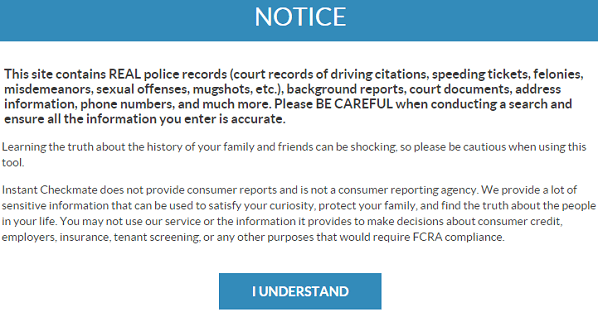
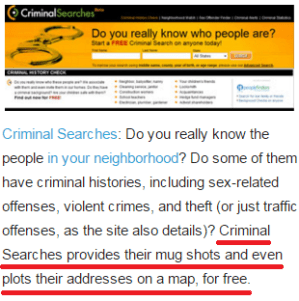

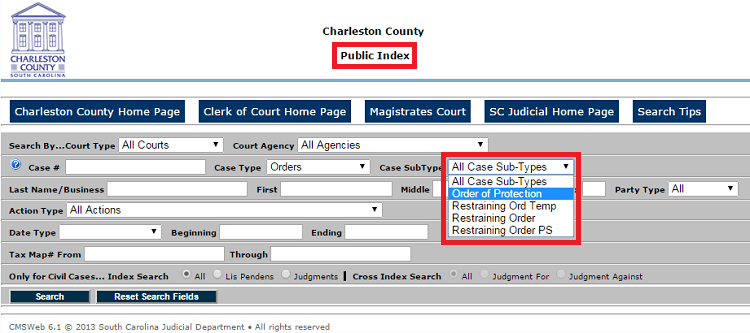


 Not one of those things has affected me as deeply as being on the receiving end of a sociopath’s lies, and the legal system’s subsequent validation of those lies. There is no “coming out the other side” of a public, on-the-legal-record character assassination. It gnaws at me on a near-daily basis like one of those worms that lives inside those Mexican jumping beans for sale to tourists on the counters of countless cheesy gift shops in Tijuana.
 These days, when sleep escapes me, which seems to be fairly frequently, I often relive the various court hearings associated with this shit show. One is the court hearing for the restraining order that my abuser sought against me (and which was granted) based on his completely vague, bullshit story that he felt “afraid” of me—this from the beast that had assaulted me on numerous occasions, slashed my tires, and had a documented history of abusing previous girlfriends. Another is his trial for assault and battery, during which I was forced to undergo a hostile, nasty, and innuendo-laced cross-examination by his scumbag defense attorney in front of a courtroom full of strangers. But the hearing that really gnaws at me and fills me with an almost homicidal enmity for the judge overseeing it is the one where I was requesting a restraining order against my abuser, this after a particularly heinous assault in the days following my cancer diagnosis and my partial mastectomy.
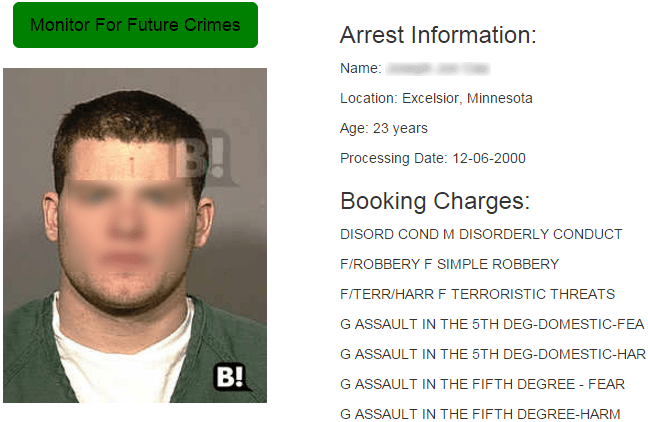
 I will have that prick’s bogus restraining order on my record today, tomorrow, next week, and on and on into perpetuity. I am a licensed professional whose employers require a full background check prior to being hired. I honestly don’t know how that restraining order was missed by the company that my most recent employer contracted to perform my pre-employment vetting. I live with the ever-present dread that someday, someone will unearth the perverse landmine that my abusive ex planted in my legal record, and that dread hasn’t lessened one whit since the day the restraining order was granted.
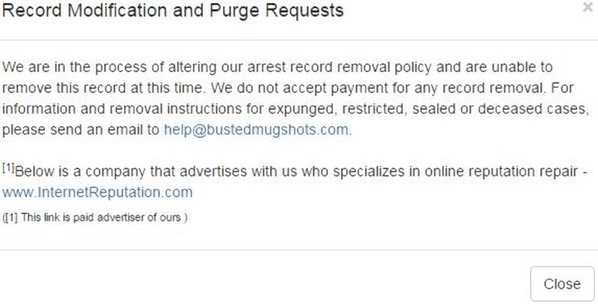
 I don’t believe this registry will ever be abolished, because restraining order abuse isn’t “sexy” and no one thinks it could ever happen to her, but can we at least limit who can access this information and the circumstances under which they can access it? It’s mind-boggling to me. It’s just so goddamn devastating to the people who are unfairly stigmatized, and, call me pessimistic, but I don’t think these casualties will ever have a voice.

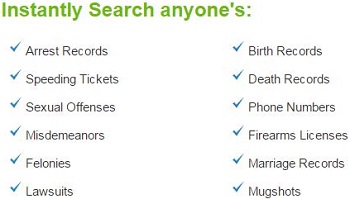
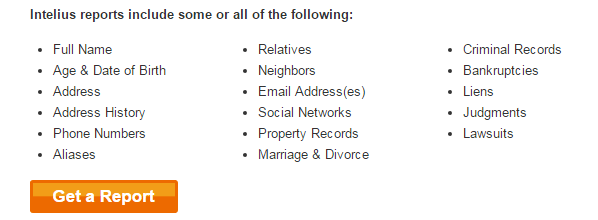
 It’s hard to tell whether this is a goad or a guarantee: “Find Restraining Order Records For Anyone Instantly!” Either way, it’s enticing.
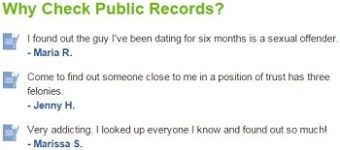 Which appraisal of the significance of restraining orders do you think more closely corresponds to the public’s? (That is a rhetorical question, yes.)
 Ease of access to restraining order records by the general public differs from state to state. In
  One of the thrusts of the Violence Against Women Act (VAWA) has been to establish public restraining order registries like those that identify sex offenders.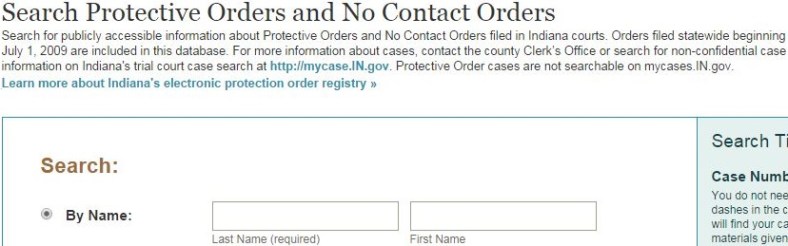
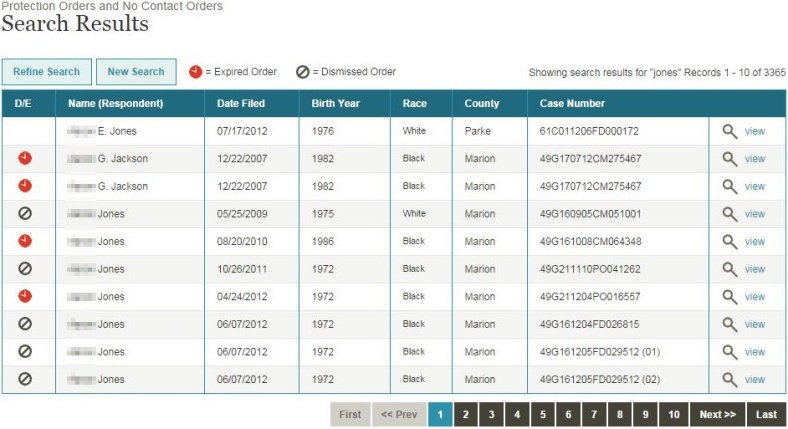

 From a draft of Ally’s “Motion to Expunge”:
 TALKING BACK to restraining orders