
Whether according with careless procedural design or cunning, the details of restraining order decisions aren’t recorded anywhere. What go into the case file at the courthouse are some accusations and a petition with a judge’s signature on it. The rulings accompanying it may simply be “approved” or “denied” and then “affirmed” or “dismissed.”
Rulings in other court matters are articulated. They recapitulate what litigants have claimed and explain how the judge formed his or her ruling. They have, like, paragraphs and stuff. Restraining order trials and rulings may be preserved on audio, but published materials reveal nothing except what was claimed by the plaintiff. (In other words, even the record of a dismissed order is pretty much damning because there’s no worded rejection of individual accusations.)
Not publishing the verdicts of lower court judges, who may never have graduated from college, is savvy. It limits the court’s accountability for those rulings (because they can’t be scrutinized), and it precludes their being mined for quotations that other litigants could cite in court. Judgments are basically yea or nay.
Since relatively few restraining order verdicts are appealed to the higher courts, very little is published about the conduct of restraining order trials at all, a fact Prof. Aaron Caplan, former staff attorney for the American Civil Liberties Union (ACLU), has noted in his law journal monograph, “Free Speech and Civil Harassment Orders.”
The parties are rarely represented by counsel, and ex parte orders are encouraged, which means courts may not hear the necessary facts and legal arguments. Very few civil harassment cases lead to appeals, let alone appeals with published opinions. As a result, civil harassment law tends to operate with a shortage of two things we ordinarily rely upon to ensure accurate decision-making by trial courts: the adversary system and appellate review.
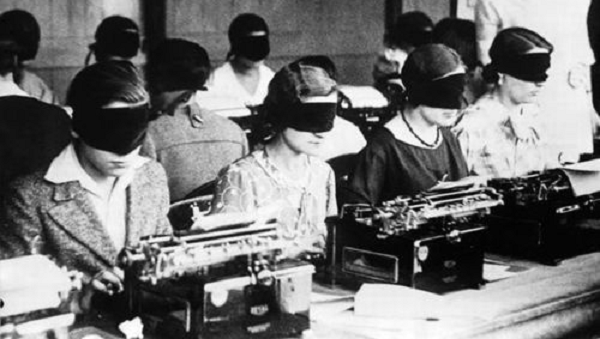
Restraining order law operates with immunity from exterior (e.g., journalistic) scrutiny, as well: Nobody don’t know nothin’.
So-called “creditworthy” commentary on the process largely conforms with feminist positions. Reports of abuse, discrimination, and injustice in general emerge almost exclusively in marginalized media like blogs and forum threads, so those reports are handily discounted.
It isn’t just that the free flow of information is staunched; no formal remarks are committed to paper for scrutiny in the first place.
Nobody don’t know nothin’…and that’s the way (uh-huh, uh-huh) we like it.
Copyright © 2015 RestrainingOrderAbuse.com
*The absence of judicial commentary licenses proponents of the restraining order process (e.g., feminists) to say of it whatever they prefer. There’s nothing in the record to contradict free interpretation, which may be represented as “fact” or even “science.”

 TALKING BACK to restraining orders