Many if not most of the posts on this blog concern the absence of accountability in the restraining order process. Accusers lie, and so may judges.
State law often designates lying in court a felony offense punishable by a term in prison, and there are ethical canons that prescribe how judges should behave.
 With regard to the honest representation of facts in court, however, both accusers and judges fudge (and that’s putting it mildly). Each may frame facts to produce a favored impression.
Lying in court, even if it’s discerned, is never called “lying”—which isn’t to say judges never tacitly express disdain or disgust. Frowns, scoffs, and scowls, though, aren’t picked up by microphones or preserved in trial transcripts.
Judges know the system would fall apart if they began acknowledging in the record that accusers lie, so lies are generally talked around if they’re remarked at all. No one, furthermore, reviews testimony afterwards to detect lies or material contradictions (which constitute “perjury by inconsistent statements”).
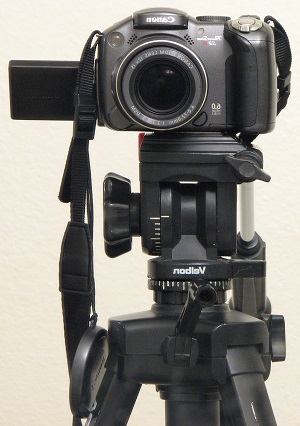
Consider how different things might be if courtroom procedures were recorded on video. Just consciousness of scrutiny puts people on notice. It triggers a primal alarm.
The knowledge or fear that we’re being watched exerts a disciplining influence on how we behave. Park an empty cop car on a street corner, and suddenly people are mindful of traffic signs. Rules are obeyed without anyone’s having to tell us to obey them.
Park a camera in a courtroom, and count on it that judges would be a lot more conscious of their performance and how their acumen stood to be perceived by others. Liars, too, would likely be a good deal warier of being caught out.
Making frauds visible, what’s more, and available for airplay would pressure district attorneys to treat lying like the serious crime it is. The concern wouldn’t be that some shaming video soundbite would appear; the concern would be what if.
Exceptions to video-recording testimony could be made in criminal trials when a witness might be inhibited or endangered by it. Since civil restraining order trials are regarded as no big deal, anyway, however, there’s much to recommend this simple, inexpensive measure to enhance accountability without having to do anything at all.
True, a possible negative consequence of cameras in court might be that the bench would only attract hams and blowhards.
Would anyone, though, notice a difference?
Copyright © 2014 RestrainingOrderAbuse.com
 TALKING BACK to restraining orders