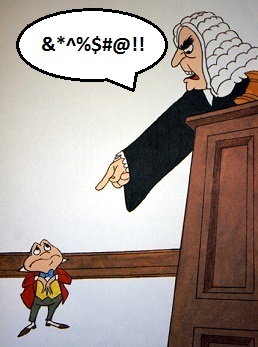
 Judicial misbehavior is often complained of by defendants who’ve been abused by the restraining order process. Cited instances include gross dereliction, judge-attorney cronyism, gender bias, open contempt, and warrantless verbal cruelty. Avenues for seeking the censure of a judge who has engaged in negligent or vicious misconduct vary from state to state. In my own state of Arizona, complaints may be filed with the Commission on Judicial Conduct. Similar boards, panels, and tribunals exist in most other states.
Citizens of other countries are encouraged to hunt up the equivalent regulatory bodies in their own provinces or nation-states.
Such commissions won’t retry a case. Complainants looking for fairer treatment or relief from an unjust decision by an independent body of arbiters will be disappointed. These panels will, though, investigate allegations of ethical violations by judges. Those readily responded to are glaring ones: slovenliness, for example, or drunkenness or the use of vulgarities or racial epithets. Misbehaviors like these are indefensible and reflect poorly on the dignity of the courts.
Favorable treatment toward one party or the other (that is, preferentialism or sexual bias), abuse of power, disparagement, and slackness, however, also contravene judicial performance expectations, and they are equally valid reasons for censure. Defendants’ feeling scorned by judges of restraining orders is common and a frequently expressed source of gnawing outrage. Odds are complaints about such treatment will be discounted or even offhandedly dismissed. But complainants cannot be punished for reporting judicial misconduct, and there’s always a chance that a compelling petition may be heeded (especially if the same allegations have been made against a particular judge previously).
There may be value, too, in more abused defendants voicing beefs and thereby arousing awareness among oversight commissions of the breadth and severity of judicial malfeasance, misfeasance, and nonfeasance in the restraining order arena, because it’s complacency, ignorance, and indifference by those empowered to make a difference that preserves the status quo.
Copyright © 2013 RestrainingOrderAbuse.com

 I was recently emailed by a 50-year-old woman who desperately wants to see her mother before her mother dies. This woman, whom I’ll call Natasha, has been restrained by court injunction from entering, calling, or nearing her childhood home.
 TALKING BACK to restraining orders