What Do People Accused in Civil Court Have to Complain About?: Civil Prosecutions and PTSD

“Contemplating, undergoing, or having undergone a lawsuit is disruptive. The experience saps energy and distracts the litigant from the normal daily preoccupations that we call ‘life.’ Litigants, who commonly feel alone, isolated, and helpless, are challenged to confront and manage the emotional burden of the legal process. The distress of litigation can be expressed in multiple symptoms: sleeplessness, anger, frustration, humiliation, headaches, difficulty concentrating, loss of self-confidence, indecision, anxiety, despondency: the picture has much in common with the symptoms of posttraumatic stress disorder (PTSD).”

—Dr. Larry H. Strasburger (1999)

Prior posts on this blog have considered Legal Abuse Syndrome (LAS), a concept proposed by marriage and family therapist Karin Huffer that has been discounted by the courts as a “novel theory.” This post spotlights a journal monograph published almost 20 years ago by psychiatrist Larry H. Strasburger that unequivocally states Dr. Huffer isn’t wrong and the courts are.

Dr. Strasburger’s comments in “The Litigant-Patient: Mental Health Consequences of Civil Litigation” are based on his having treated the legally abused (who may include anyone who’s been exposed to litigation).

The therapist of a litigant will encounter not only the trauma that produced the lawsuit, but the distress and disruption of litigation as well, including the delays, rehashing and reliving the original trauma, and challenges to honesty and integrity. The patient may come after years of feeling frustrated and thwarted by a system that moves at a snail’s pace, preventing the litigant from putting the issue of the litigation behind him [or her] and “moving on” with life. Gutheil et al. have recently coined the term “critogenic harm” to describe these emotional harms resulting from the legal process itself.

The term “critogenic harm,” by its etymology, refers to the psychic damages that arise from judgment, i.e., the pain and humiliation of being verbally attacked and publicly disparaged.
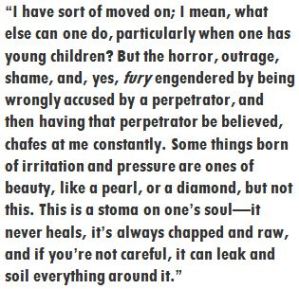
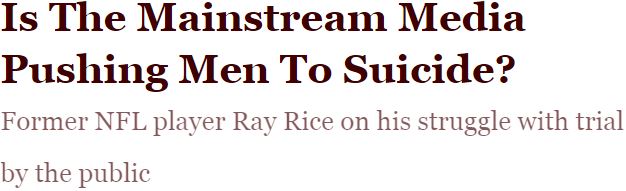
This, the reader will note, is a blaring clinical denunciation of those self-appointed, armchair authorities who would deny the damages of false prosecution. Nearly two decades after the publication of the journal article this post examines, such deniers are everywhere, including in the mainstream press.

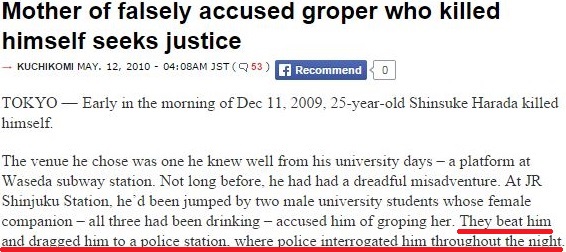
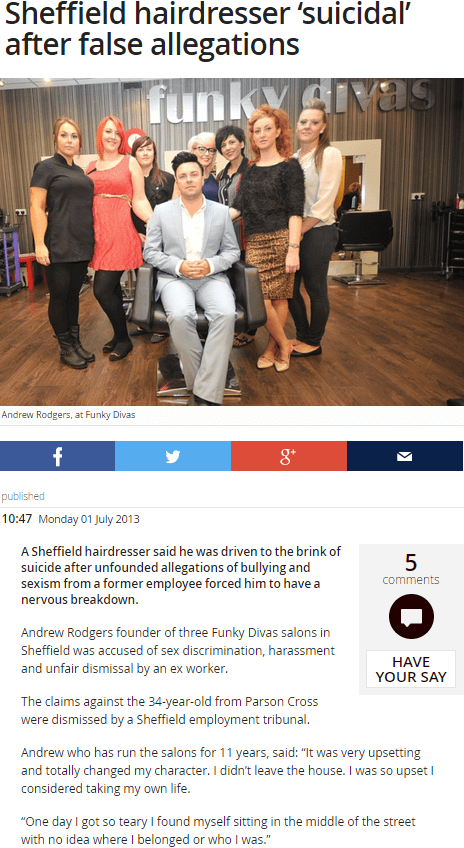
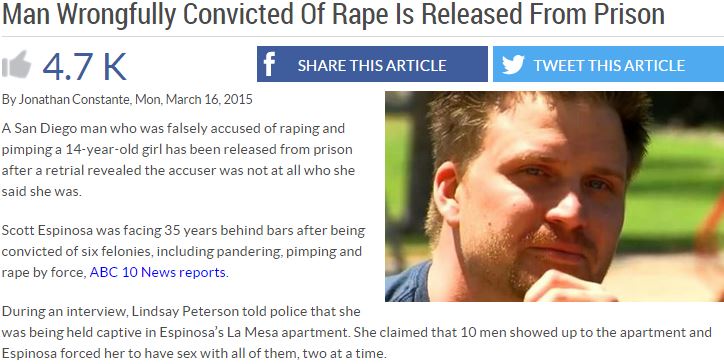
The deniers, according to the experts, are talking out of their blowholes. Mere accusation, ignoring the effects of protracted legal battles, drives some to suicide and multitudes more into agoraphobic withdrawal.

The adversarial system is also a threat to the maintenance of personal boundaries. Formal complaints, interrogatories, depositions, public testimony, and cross-examination are intrusive procedures that aggravate feelings previously caused by trauma. Such procedures amplify feelings that the world is an unsafe place, redoubling the litigant’s need to regain a sense of control—often in any way he or she can, including exhibiting characteristic symptoms or defenses. It is not unusual to find entries such as the following in the medical records of litigants: “Janet is hearing voices to cut herself again after talking to her lawyer today.” Similarly, a male plaintiff in a sexual harassment suit threatened violence when he was informed that he was to be deposed, and he required hospitalization.

Exposure to civil process can very literally drive people nuts, and inspire in them urges to commit violence, whether to themselves or others.

Consider Dr. Strasburger’s remarks in the context of restraining order abuse and appreciate that the strains they describe can be compounded by loss of residence (some defendants are left homeless), loss of family, loss of income, loss of employment/career, loss of property, etc. Those so deprived may accordingly become estranged from friends and relations, if not socially ostracized. (They must also live with the consciousness that they’re vulnerable to warrantless arrest at any time.)

Litigants are often further distressed as various members of their support systems “burn out.” Their need for human connection and their need to talk about their experience often exceed the tolerance of family members and friends. Embarrassment and humiliation shrink their social world.

That’s besides the discord and isolation caused by a damning accusation, which may be accepted as fact even by kith and kin. Loyalties may become divided, and the accused may be spurned based on allegations that aren’t true. The sources of outrage to the mind and emotions multiply like cancer cells.

It should come as no surprise then that many who complain of procedural abuse report they’re in therapy. If the costs weren’t prohibitive to most, they might all be. Desolating, as Dr. Strasburger points out, is that even if this were the case, the promise of “healing” isn’t necessarily good. The therapist’s role may be little more than cheerleader.

Psychotherapy for a patient involved in ongoing litigation can take on the aspects of managing a continuing crisis. The therapist, facing this need for crisis management, may be providing support more than insight.

Litigation (or its aftermath) may become consuming; normal, healthy activities are suspended. (One woman this author has corresponded with laments she hasn’t known intimate contact in years; a recent female commenter, alienated from her child, refers to herself as a living homicide.) People may become stuck in a tape loop perpetuated by interminable indeterminacy, insurmountable loss, and a galling sense of injustice.

The legal battle enables people to put their lives on “hold,” thereby avoiding other aspects of their lives (e.g., “How can I be intimate with you when I’m involved in this lawsuit?”). The patient may be so attuned to psycholegal issues and hypotheses that she focuses thereupon in resistance to dealing with significant personal conflict. As a result, she is continually “pleading her case” in the therapy hour.

This cognitive rut exemplifies Legal Abuse Syndrome, and the state may be unending.

Copyright © 2015 RestrainingOrderAbuse.com

*The journal article cited in this post may be introduced to the court by litigants in need of an authoritative voice to validate complaints of pain and suffering induced by fraudulent or vexatious prosecution.

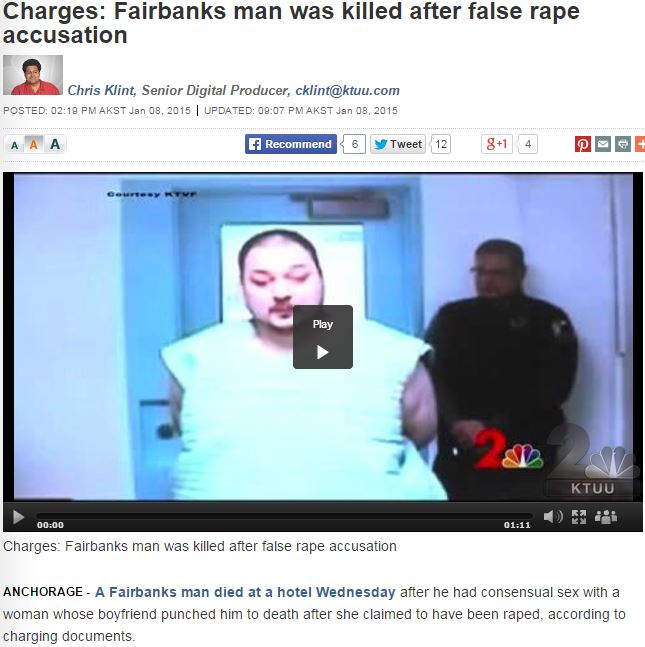
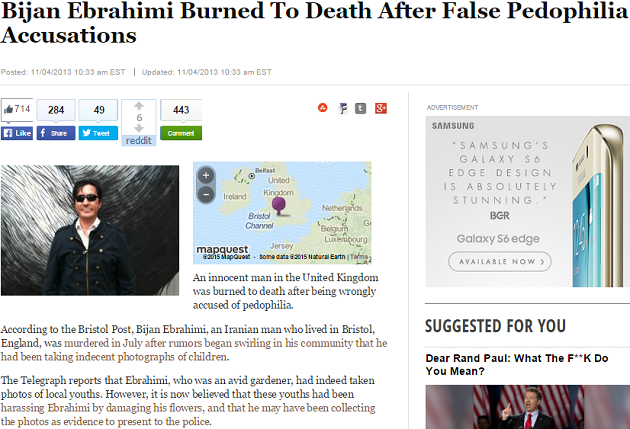
False Accusations and Murder: More Headlines about the Effects of Finger-Pointing and Legal Abuse

“[W]hy would someone lie about being sexually assaulted? What could be gained from that? Nothing, really.”

Tracie Egan Morrissey, Jezebel (Feb. 28, 2014)

The quotation above derives from a piece titled, “Rape, Lies and the Internet: The Story of Conor Oberst and His Accuser.” It’s spotlighted because it echoes the sentiment expressed by the writer of the prior post’s epigraph, who’s also a feminist and who betrays the same blindness.

What’s disturbing to the author of the blog you’re reading is that feminists who ask questions like Ms. Morrissey’s make a strong case for rape denial, because it might just as unreasonably be asked, “Why would someone sexually assault anyone? What could be gained from that?”

What could be “gained” from raping someone is the same thing that could be “gained” from lying about being raped—or lying about any number of other offenses: the exultation of control (i.e., power, dominance).

Other reasons for lying suggested by Ms. Morrisey’s own reportage are attention-seeking, self-aggrandizement, and mythomania. There have also been a number of publicized cases about false rape accusations’ being used for concealment of sexual infidelity. Two hyperlinks in this post lead to stories exemplifying this motive. Of course (and significantly), none of these motives applies exclusively to false rape claims. Besides avarice and malice, they’re common motives among false accusers (of all types). People hurt people…to hurt people. Appetites, least of all vicious ones, don’t answer to sense.

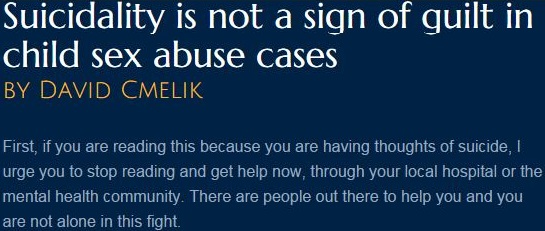
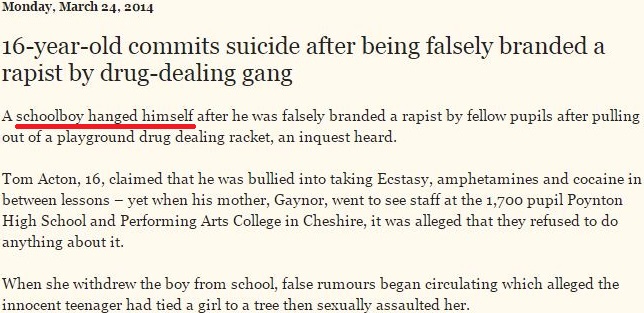
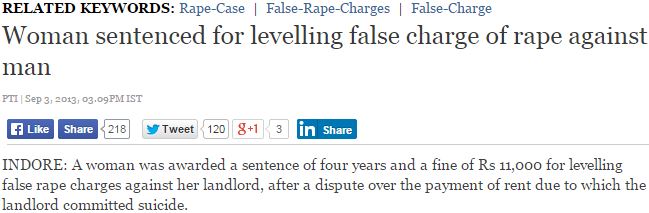
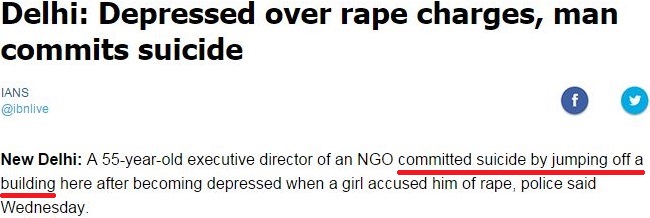
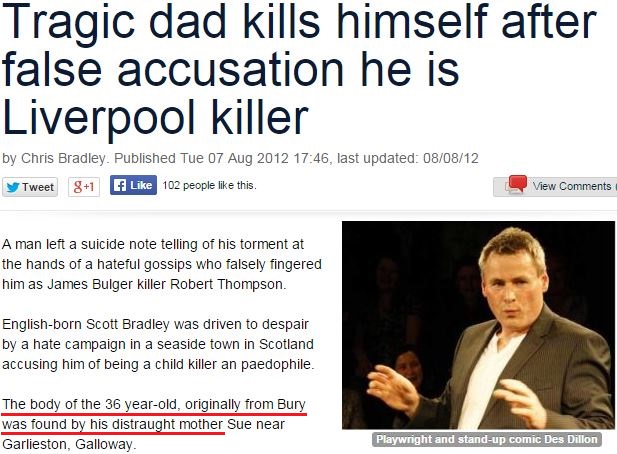
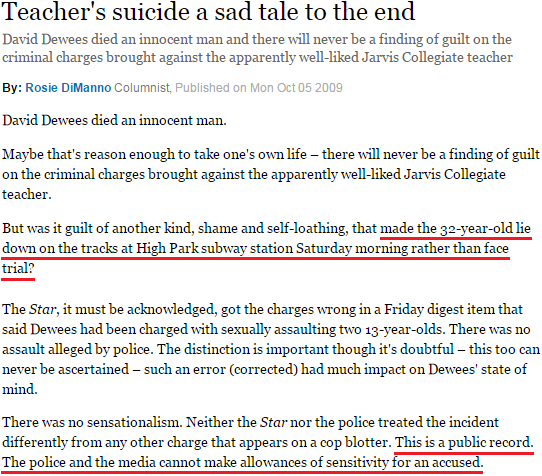
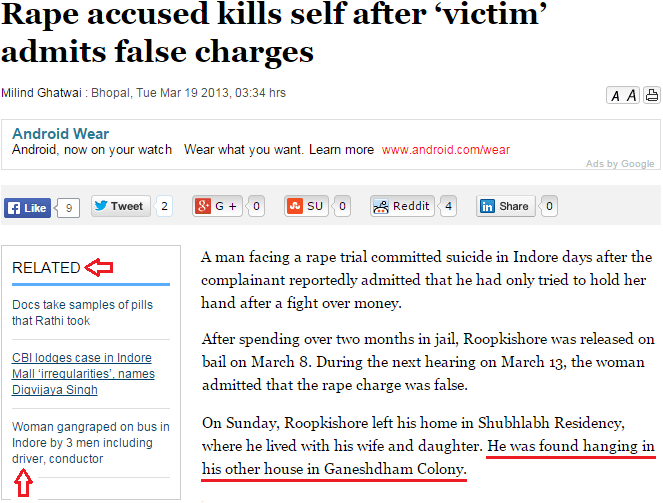
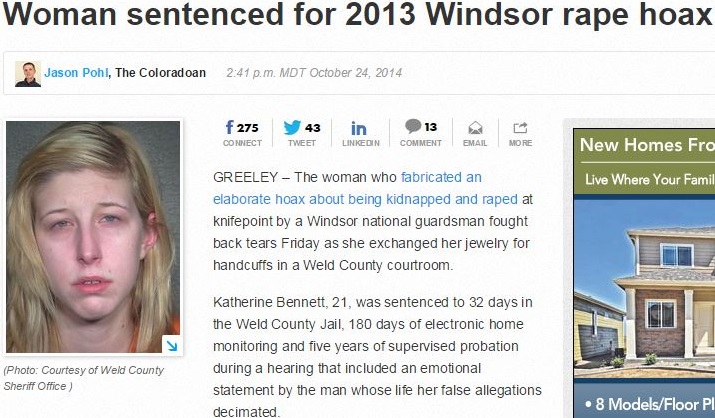
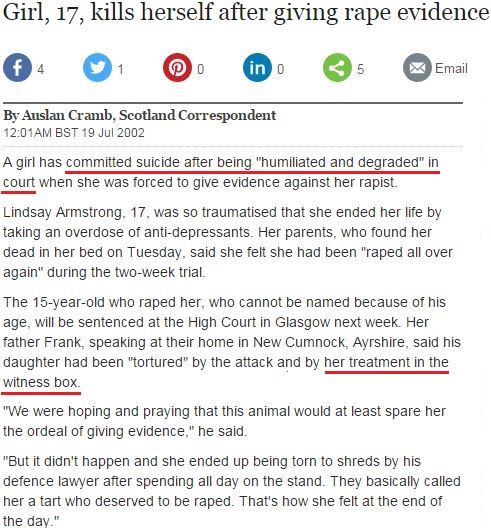
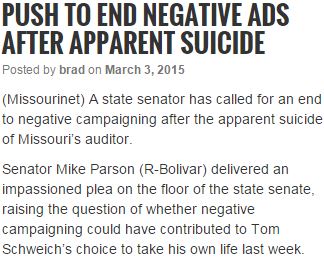
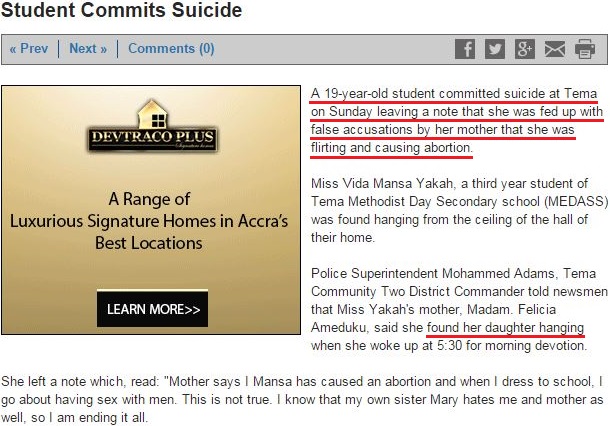
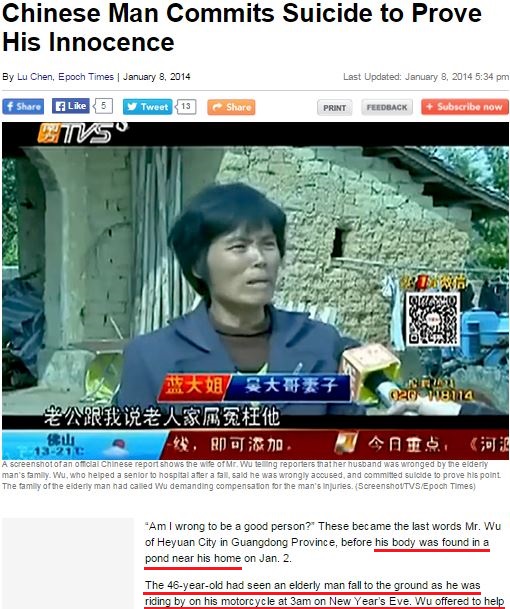
The previous post emphasized the emotional trauma of accusation, particularly false accusation, by highlighting a number of suicides reported in the news.

Suicide is a recognized consequence of bullying; name-calling and public humiliation are recognized as among the forms that bullying takes; and falsely branding someone a stalker, rapist, child abuser, or killer, for example, certainly qualifies as publicly humiliating name-calling.

Whether someone is disparaged on the playground, on Facebook, in a courtroom, or in the headlines makes absolutely no difference; the effect is the same, and it may be unbearable.

This stuff shouldn’t need to be pointed out to grown-ups. But since the fatal consequences of false accusation don’t support any dominant political agendas—and may undermine them—they’re ignored. That people are harried and hectored by lies, sometimes to death, is an inconvenient truth.

At least it is here. Many of the news clippings featured in the last post notably originate from the U.K., as do two of the clippings below. Journalism is far more balanced there, and it’s less taboo to call a jade a jade. A Jezebel reporter might denounce this as “misogynistic,”  but truth isn’t misogynistic; it’s just the truth, and it doesn’t play favorites (nor should its purveyors).

This post looks at the other lethal upshot of false accusation: murder. The stories that follow are about people who existed and now do not.

The point of introducing these stories isn’t to assert incidents like these are common; the point is to reveal the emotions that are inspired by false accusations, whether by women, by men, or by mobs. It’s also to reveal their consequences…writ large and lurid. These same emotions are aroused in cops and judges no less than they are in anyone else. False accusers know what reactions they can expect, and they know how to manipulate their audience—and bending others to do their will is thrilling.

Nothing makes the emotions provoked by accusation more manifest than when accusation inspires others to beat someone to death—or set him ablaze.

This is nevertheless typically lost on reporters and their viewers and readers. The details that are stressed and eagerly sought are who got it, and how. Why, which is always the more speculative aspect, is in its broader implications the most important one, however.

Gore is sexy. It’s what gets airplay and column space. It’s an attention-grabber and a ratings booster. Nothing draws the eye like the color red.

What sensation eclipses, though, is that for every false accusation that ends in red, thousands or hundreds of thousands end in gray, an interminable state of disquiet, disease, and dolor.

Copyright © 2015 RestrainingOrderAbuse.com

*Jezebel, if I’m remembering my Bible stories right, was a mass murderer who was condemned for promoting a false dogma. (Among her victims was a man she had judicially executed.)

False Accusations and Suicide: Some Headlines about the Effects of Finger-Pointing and Legal Abuse (Culled for the Empathically Challenged)

Since the publication of this post, the one quoted above has been deleted.

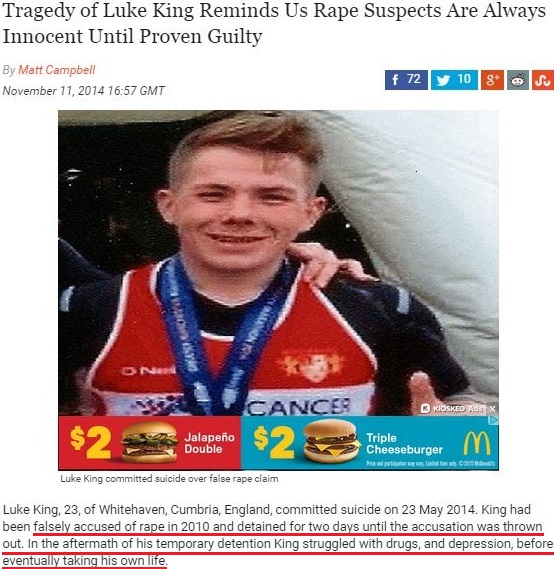
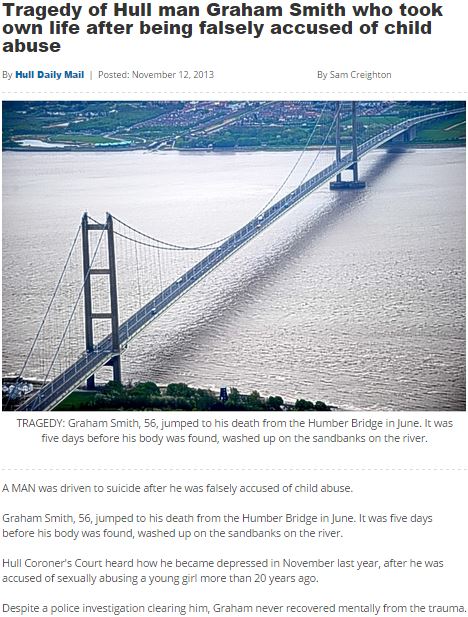
One of the stories highlighted below concerns a young man who was falsely labeled a rapist by some bullies at school. He hanged himself. He was 16. Another concerns a man who spent a year and a half in prison based on a false accusation of sexual assault (among other false accusations). While the man was behind bars, his mother killed herself, believing her son was a pimp and a rapist.

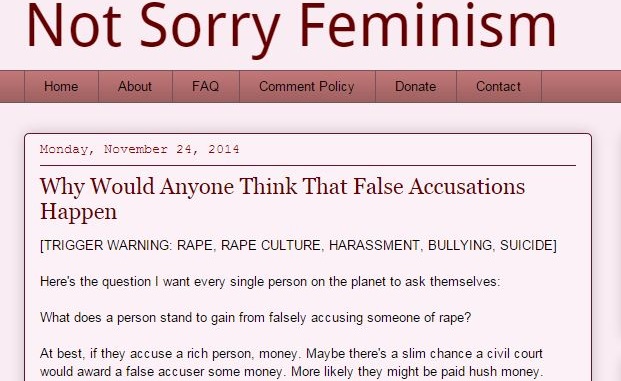
A word to the wise: Only ask a rhetorical question if you know the answer…and it favors your position.
The question posed above by the zealous, young author of Not Sorry Feminism isn’t, of course, a question at all; it’s an indictment. She means how dare anyone think false accusations happen. What problematizes the writer’s rhetorical-question-cum-admonition is that it has a very obvious answer: The reason people think false accusations “happen” (so to speak) is that they do.

(It might alternatively be asserted that no one does believe false accusations “happen,” the same way no one believes rapes “happen.” Both are acts, and both have agents. If rape happens isn’t a construction a feminist could get behind, false accusations happen shouldn’t be, either. You’re a proponent of accountability, or you’re not.)

Worse than her question’s being problematic, because answerable, is that its answer isn’t one the writer wants to hear. Motives for false accusations, including of rape, are greed, malice, bullying, vengeance, jealousy, possessiveness, attention-seeking, mental illness, and cover-up, to name a few. They’re ugly, often petty, always destructive…and they can kill.

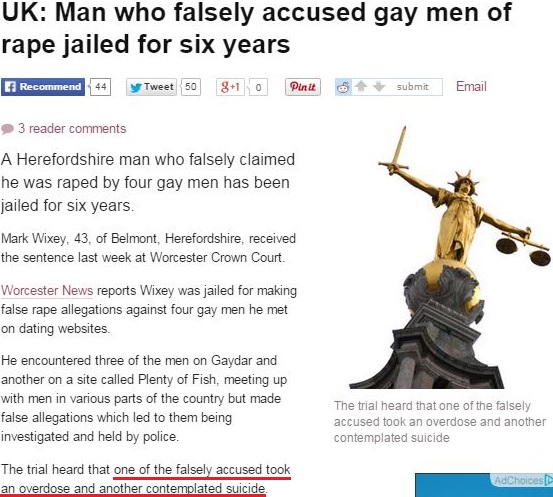
This post surveys examples of false allegations or deadly allegations or false and deadly allegations drawn from news stories. Here’s one such:

Unlike most of the rest, the first story glossed in this hastily cobbled digital scrapbook doesn’t include a suicide or references to suicide. It’s nevertheless a good starting point, because it’s old news.

The article’s from 15 years ago. Fifteen. Significantly, though, no half-hearted sleuth would find it a challenge today to turn up commentaries on the Internet, mostly from feminist writers like the one who introduces this post, that either (1) deny such a thing ever happens or (2) deny it’s a big deal when it does happen—and deny it’s a sign that a culture of false accusation exists and has for some time. (A story so uncannily similar as to be almost identical can be found here. It appeared in The Huffington Post less than 24 months ago.)

Consider: Where would six elementary school girls and a boy get the idea of framing their gym teacher as a molester, and where would they get the impression this conduct was okay (or “cool”) or that they’d get away with it and not face dire consequences? Should we believe the notion had no cultural influences and was purely a product of these honors students’ collective wicked imagination?

For accusing their teacher of groping them, the kids were suspended for 10 days. It’s likely the most traumatic part of their punishment was being detained by police and “fingerprinted, photographed, [and] booked.” Keep this thought in mind.

Keep this quotation in mind, too: “‘When they made the charge, that’s about 80 percent of the damage to your reputation right there,’ [attorney Paul F.] Kemp said. ‘Because even if you’re found innocent, people will assume you got off on a technicality. Or that there’s something there when there’s not.’”

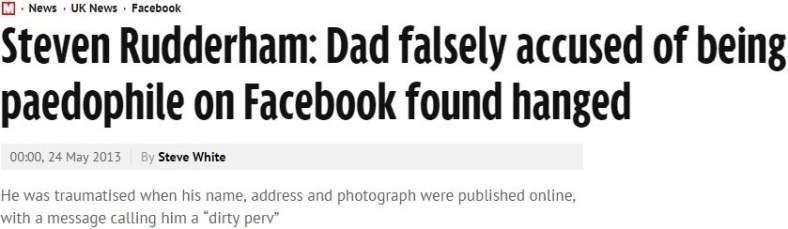
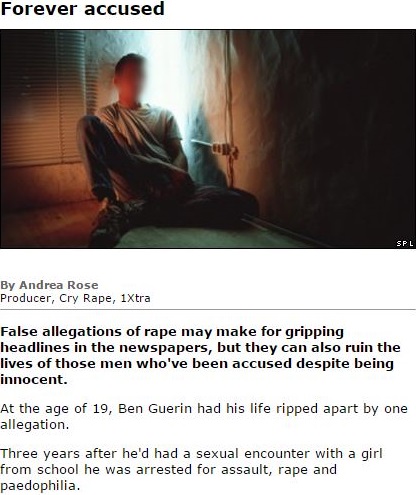
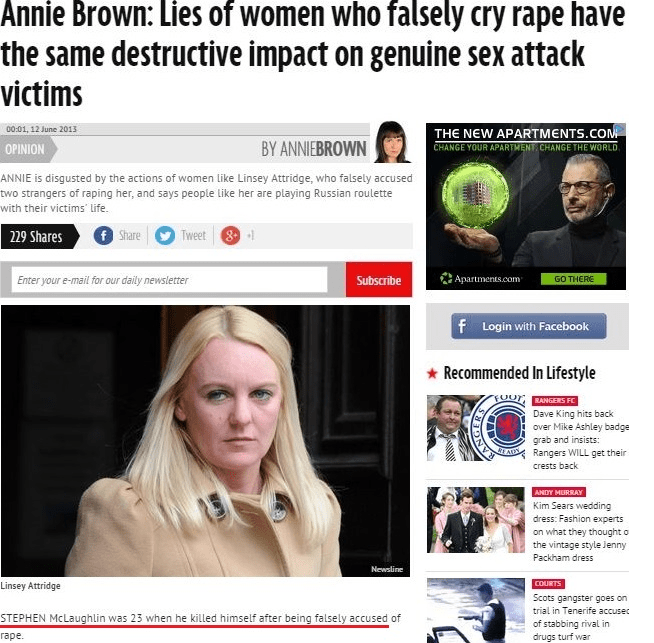
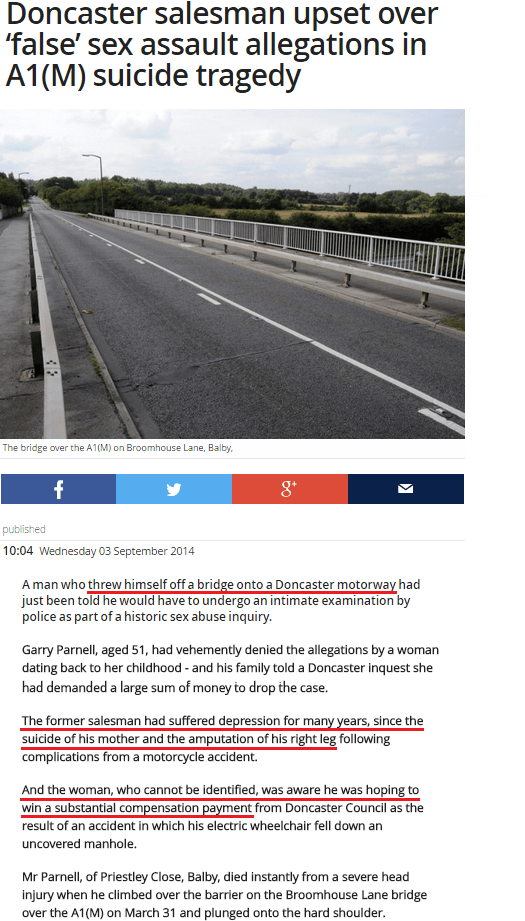
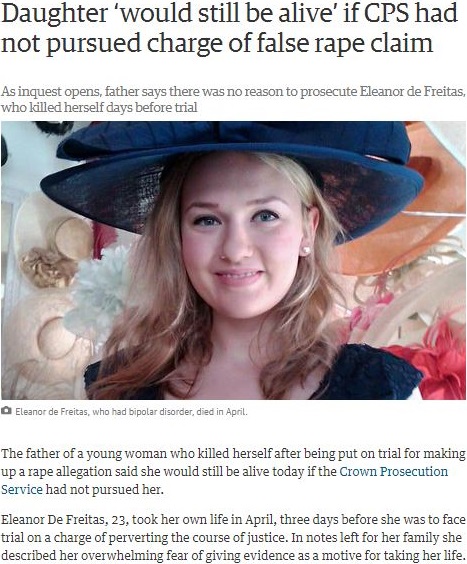
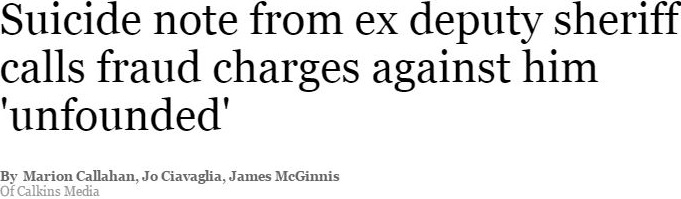
Editorial intrusions end here; the remainder of this post is a series of Internet clippings (linked to the “complete stories”) from which readers may draw their own conclusions about the motives and effects of accusation, bullying, and legal abuse. The author of this post would only point out before absenting himself that an accusation that may induce someone to kill him- or herself need not be of rape and that one of the suicides chronicled below is of a woman who faced being tried for falsely alleging she was sexually assaulted (“In notes left for her family, she described her overwhelming fear of giving evidence…”).

The common denominator is accusation and public scrutiny and judgment, not being accused of a particular act, per se. Zerlina Maxwell and her ilk are categorically wrong.

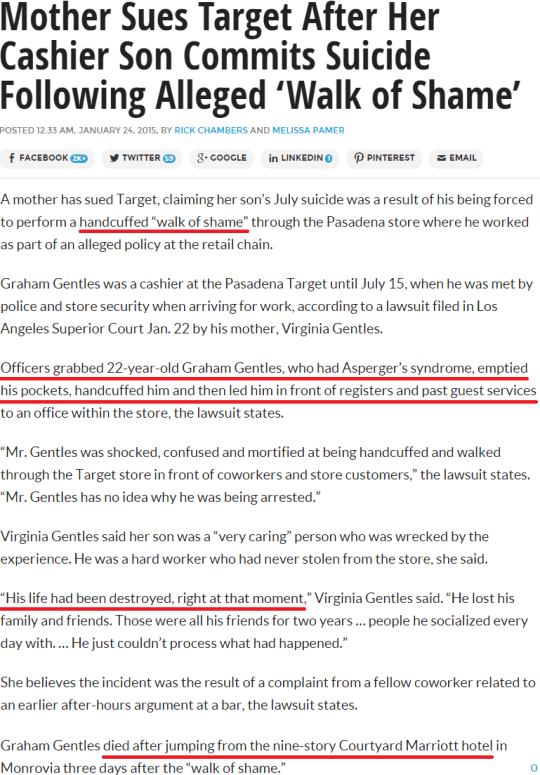
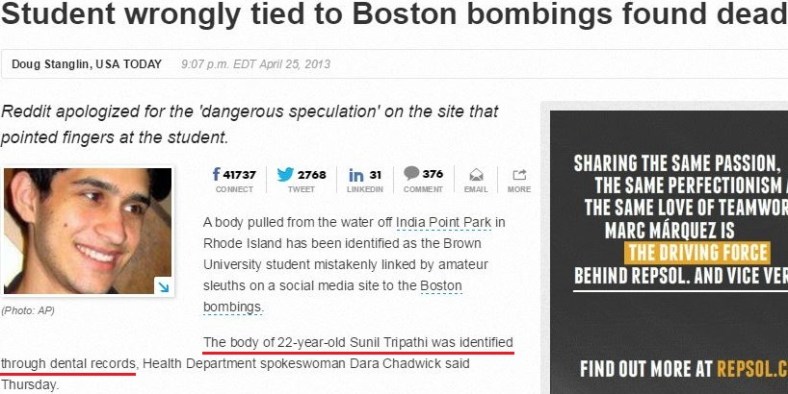
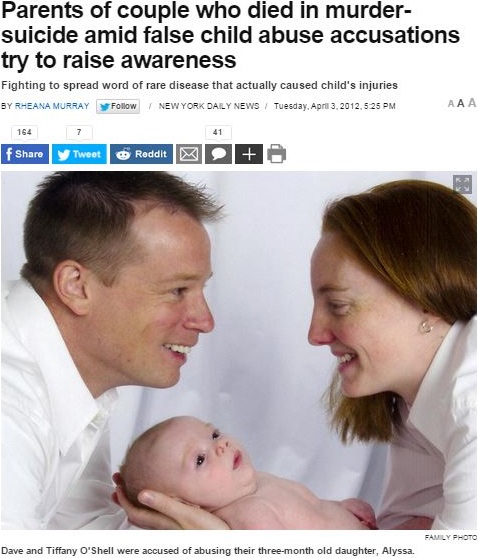
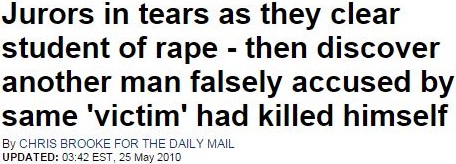
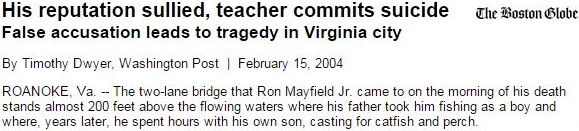
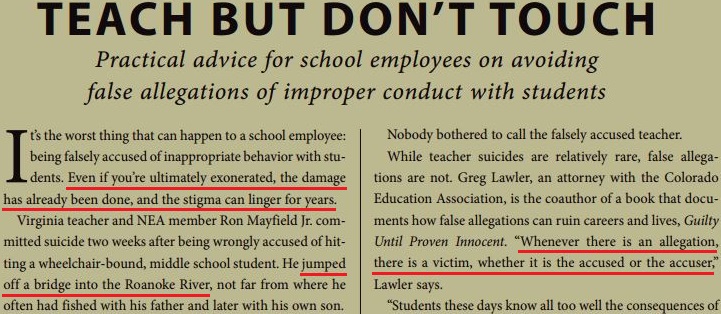
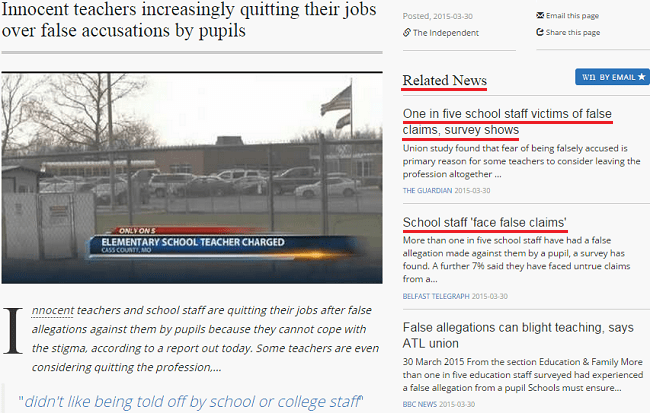
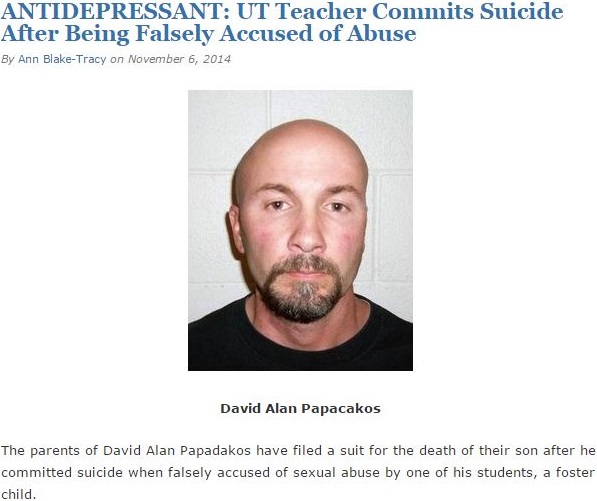
fale_accusations_destroy

nancy_grace_suit

dad_falsely_accused

murder_suicide

jurors_in_tears_full

reputation_sullied_full

suicidality

forever_accused

Sheffield_hairdresser

Chinese_man_commits_suicide

Copyright © 2015 RestrainingOrderAbuse.com

First Amendment Rights from Beyond the Grave: Defense of a Suicide’s Publication of His Final Words by the Randazza Legal Group

“I couldn’t flee and I could not fight. I was never going to be allowed to heal or recover. I wish I were better at articulating the psychological and emotional trauma I experienced. I could fill a book with all the lies and mysterious rulings of the Court. Never have I experienced this kind of pain. I asked for help, but good men did nothing and evil prevailed.”

—Chris Mackney (1968–2013)

An emailed riposte from Las Vegas attorney Marc Randazza was introduced to my attention this week. It was an answer to a move by the “estranged wife” of a man who committed suicide in 2013 to have the man’s suicide note removed from the blog A Voice for Men.

The genesis of this dispute appears to be that Mr. Christopher Hines Machnij a/k/a Christopher Hines Mackney and his estranged wife were in an acrimonious relationship. Due to the strains of that relationship, Mr. Mackney started a blog in order to express his thoughts about his treatment in the family law system. This culminated in a suicide note, which he published to his blog from Washington, D.C., on December 29, 2013, and then he committed suicide on December 29, 2013. His writing and his suicide note were admittedly unflattering to your client. Your client then petitioned a Virginia state court to grant her some ambiguous (and questionable) intellectual property rights to the blog’s contents, which she is using to attempt to purge Mr. Mackney’s expression from every corner possible. One of those corners is my client’s blog.

[…]

It is our position that A Voice for Men’s republication of the suicide note is not copyright infringement, pursuant to 17 U.S.C. § 107. Accordingly, even if Mr. Mackney were to rise from the dead and insist upon the depublication of the suicide note, it is my client’s position that it has a right to continue publication of the letter.

Perusal of Mr. Randazza’s email, which is masterfully composed, is recommended to anyone invested in the right to redress perceived injustices by the public exercise of his or her voice.

Christopher Mackney

I’ve read Mr. Mackney’s “suicide note,” which is neither a manifesto of hate nor a farewell-cruel-world. It’s a supremely calm and sincere apology that’s all the more haunting for its quiet lucidity and resignation.
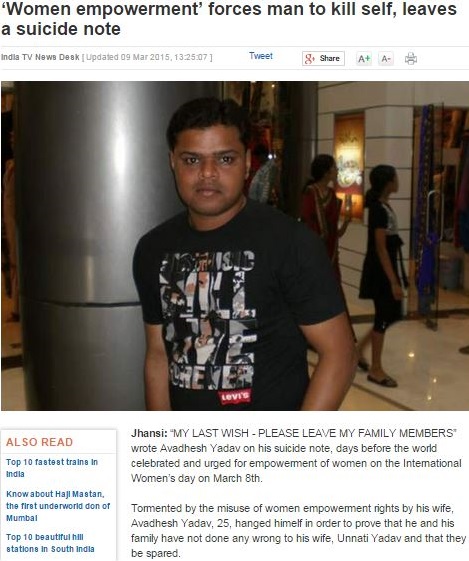
What Mr. Mackney describes in his final statement (dated four days after Christmas) will be familiar to anyone who’s endured something similar: the isolation, alienation, and paralysis; the mute indifference from anyone who could have intervened; the loss of identity, emotional decay, and financial ruin; and the hopelessness that comes from repeated confirmations that resistance is futile.

The consequences of the court’s intrusion into family and interpersonal matters—and the imposition of its judgment—are seldom viewed with the gravity they deserve.

Much of the debate of issues orbital to the events that prompted Mr. Mackney’s suicide occurs in the abstract. Commentators’ opinions (and they are legion) can rarely be seen to acknowledge the real-life strains and torments that real, live accused people suffer.

What is animating fodder for conversation to some, however, leads others to kill themselves.

Copyright © 2015 RestrainingOrderAbuse.com

*Among Mr. Mackney’s final words are an adjuration to stand up and speak out in defense of the abused (his blog resided at GoodMenDidNothing.com).

Games That Kill: Sex, the “Justice System,” Accusal, Restraining Orders, and “the News”

“‘She likes playing the little mind games too,’ he remarked. ‘She’s not quite as innocent as she makes it out to be.’”

—A Texas man to the police, 16 hours before he killed his girlfriend and himself

The headline reads, “Texas man threatens girlfriend 7 times in a month, then kills her hours after she begs police for help.” The story, however, isn’t so cut-and-dried.

According to Raw Story reporter David Edwards,

33-year-old Heather Coglaiti went to the Corpus Christi Police Department (CCPD) to report that her on-again-off-again boyfriend, José Calderon, had threatened to hurt her, and had slashed her car tires.

While Coglaiti was speaking with officers, Calderon called her cellphone, and he agreed to come in to the station to give his side of the story.

That was February 2, 2015. Coglaiti and Calderon were dead less than a day later. Evidence confirms Calderon shot her, then himself.

“CCPD records showed incidents between the couple going back to January of 2014—including seven death threats and other incidents last month,” Raw Story reports.

It also reports these statements made by Mr. Calderon to the police on the 2nd:

“We’ve done this a lot through the whole two years. We go back and forth, we’ll fight like this and she knows I won’t punch her but she punches the hell out of me in the face and she’ll bite, do whatever,” he said.

“She said, ‘I’m so scared you’re gonna kill me,’” Calderon admitted during the interview. “I’ve never said that out of my mouth.”

“Never do I ever threaten this lady. Never,” he insisted. “I don’t know why she says this and that.”

Raw Story relates the facts, and it relates them almost as a news source should: objectively. Mr. Edwards, the reporter, might properly have said, however, of the “seven death threats and other incidents” (and earlier “incidents”) that they were “alleged” or “reported.” Plainly from Mr. Calderon’s statements to the police, he didn’t put any death threats on paper and sign them; he says he never made any at all. So “alleged death threats and other incidents” is what the journalist should have written (even at the risk of the story’s sounding less “raw”). The headline reports a “Texas man threatens girlfriend 7 times in a month, then kills her.” That the Texas man’s girlfriend is dead by his hand is forensically ascertainable, more or less; that the Texas man threatened his girlfriend seven times in a month is not.

This isn’t pettifoggery. Distinctions like this aren’t minor, and they betray how we interpret allegations: We believe they must be true. Objectivity, if not skepticism, though, is the journalist’s brief, not credulity.

Credulity is especially prone to kick in if it seems warranted by later circumstances, for example, a homicide. Nevertheless, there’s no tweezing out whether Ms. Coglaiti’s reports to the police were accurate, and there’s no knowing what influence they may have had on Mr. Calderon’s actions.

A murderer isn’t given the benefit of the doubt. Significantly, however, neither is anyone else. Accusations are taken at face value (particularly accusations of threats or violence made by women against men).

We discount the effect that allegation and scrutiny have on the mind, and discounting that effect may have cost a woman her life. Not only must it be acknowledged that “the system” failed to protect a complainant of fear; it must be owned that use and abuse of “the system” affects the mental state of the accused, as it may well have in this case.

It may be harsh to ask why a woman who had alleged she’d been threatened with death seven times in a month and who had reported other incidents to the police over the course of a year hadn’t relocated and changed her phone number. But the scrupulous thinker must wonder.

Dogma has it that it’s wrong to second-guess “the victim.” Who was or wasn’t a victim of what in this case, however, is probably something no one will ever conclusively know.

The scrupulous thinker must ask himself why a man who intended to commit murder would voluntarily submit to police questioning, and what might it suggest that he committed murder less than a day later?

Did he avert suspicion just long enough to carry out his fell plot, or was he pushed further than he could tolerate? One interpretation certainly jibes better with PC dogma. Is the former, though, really likelier than the latter?

Raw Story’s reportage ends:

At a press conference on Tuesday, CCPD officials said that they did all that they could do to protect Coglaiti under state and federal laws.

CCPD Criminal Investigative Division Captain Hollis Bowers explained that victims were often frustrated by the legal system.

“The law not only gives us authority, but it restricts our authority so the system works in a very methodical way,” Bowers said. “Victims need to understand that when [we] start to suggest that you leave your home or your job, it’s for immediate safety, not because the legal system needs that.”

He pointed out that an emergency protective order requires “a certain level of violence.”

“So a protective order can’t be—criminal mischief, for instance, will not reach a level where somebody can get a protective order,” Bowers noted. “It requires violence at a certain level. It is issued by a judge.”

Two things, finally, are worthy of remark. First, those who induce people to trust that “the system” may be relied upon to protect them from threat mislead them and may be to blame for harm they subsequently, if not consequently, come to. Second, if Mr. Calderon’s intentions were what they’ve been represented to be, the issuance of a “protective order” against him would probably have led to the same tragic end.

“The system” fails not because it isn’t stringent enough; it fails because the premises for its reasoning are bad.

Casualties like Ms. Coglaiti are eagerly offered up by advocates as corroborations that stiffer laws are required. The facts of her death and the value of her life are conveniently exploited, even as they’re conveniently forgotten.
Copyright © 2015 RestrainingOrderAbuse.com

Accusation of “Whatever”: How We’ve Forgotten What Restraining Orders Were For

In an offhand response to a comment yesterday, I remarked that restraining orders weren’t meant to provide people with a sense of security; they were meant to secure people from danger.
There’s a distinction, as I also remarked, and it’s been forgotten.

So entrenched an institution of law and so commonplace has the “restraining order” become that people assume that a foreboding or a feeling of unease or apprehension is grounds to petition one (and judicial performance in no way discourages this assumption and may reward it).

I’m even asked, earnestly, “Can I get a restraining order if she called me a bitch?”

My response, though it inclines toward skepticism, is nevertheless, “Who knows?” If a judge says, “Sure,” then the answer is, “Sure.” Whatever the judge says goes. Judicial latitude in these matters is boundless. Statutes may explicitly license the trial court to do “as it sees fit” or “as it deems appropriate.”

By this standard, people are removed from their homes. By this standard, people are denied jobs. By this standard, people are entered into public registries and prohibited from working with or around children and ever seeing their own.

This is how I lost my day-to-day stability to be a normal, reasonable, and gainfully employed person in the community’s eyes [comment submitted four hours ago].

What’s been forgotten is that the motive justification for an unarguably tendentious, superficial, and baggy procedure was real and immediate danger. Restraining orders were conceived as a quick fix to a problem that was both rampant and, more urgently, ignored 35 years ago. That problem was domestic battery.

Today, restraining orders are a quick fix to a new rampant problem: accusation of “whatever.”

Allegations of domestic violence are not today discounted by authorities, as they might have been in the 1970s and 80s, nor is making them scorned by the public as “talking out of church.” Sympathy is all but universal.

Not only, then, is the motive justification for an unarguably tendentious, superficial, and baggy procedure a relic of the past, but violence may not even be alleged in a majority of petitions.

I’ve been in close correspondence with a man who’s challenging the constitutionality of a restraining order against him that exerts “prior restraint.” He’s forbidden to talk about someone online—not temporarily but for all time. He’s been restrained, in other words, for speech acts he hasn’t committed.

In First Amendment law, a prior restraint is government action that prohibits speech or other expression before it can take place. There are two common forms of prior restraints. The first is a statute or regulation that requires a speaker to acquire a permit or license before speaking, and the second is a judicial injunction that prohibits certain speech. Both types of prior restraint are strongly disfavored, and, with some exceptions, generally unconstitutional [Cornell University Law School Legal Information Institute].

He’s appealing the trial court’s injunction on First Amendment grounds, and constitutional law is on his side.

Consider, though, that any number of restraining orders are issued on a similar basis. People are restrained not for acts that injured someone but for acts that possibly, perhaps, conceivably could indicate a potential intention to injure someone.

In criminal cases, judges have no reluctance about sternly pronouncing: “Speculation has no place in a courtroom.” Speculation, however, is the heart and soul of civil restraining order cases. Judges may “infer fear” based on the alleged actions of a defendant, and on this tenuously speculative basis, form a ruling whose consequences may exercise a profoundly negative influence on that person’s life.

In other words, people are punished not for things they’ve done, per se, but for things someone feels (or intimates) they might do.

The purpose of restraining orders was not to provide complainants of fear with a sense of security; the purpose of restraining orders was to secure complainants of injury from further harm.

Harm isn’t speculative. It leaves very visible traces.

Copyright © 2015 RestrainingOrderAbuse.com

*Since this post was published it has reportedly become possible for Minnesotans to apply for restraining orders online to prohibit, among other things, “repeated incidents of unwanted…gestures” (cf. the First Amendment).